|
|
|
@@ -3,13 +3,14 @@ GRDB 3 [](
|
|
|
|
|
|
|
|
|
|
### A toolkit for SQLite databases, with a focus on application development
|
|
|
|
|
|
|
|
|
|
**Latest release**: July 8, 2018 • version 3.2.0 • [CHANGELOG](CHANGELOG.md) • [Migrating From GRDB 2 to GRDB 3](Documentation/GRDB2MigrationGuide.md)
|
|
|
|
|
**Latest release**: September 5, 2018 • version 3.3.0-beta1 • [CHANGELOG](CHANGELOG.md) • [Migrating From GRDB 2 to GRDB 3](Documentation/GRDB2MigrationGuide.md)
|
|
|
|
|
|
|
|
|
|
**Requirements**: iOS 8.0+ / macOS 10.9+ / watchOS 2.0+ • Swift 4.1+ / Xcode 9.3+
|
|
|
|
|
|
|
|
|
|
| Swift version | GRDB version |
|
|
|
|
|
| ------------- | ----------------------------------------------------------- |
|
|
|
|
|
| **Swift 4.1** | **v3.2.0** |
|
|
|
|
|
| **Swift 4.2** | **v3.3.0-beta1** |
|
|
|
|
|
| Swift 4.1 | [v3.2.0](https://github.com/groue/GRDB.swift/tree/v3.2.0) |
|
|
|
|
|
| Swift 4 | [v2.10.0](https://github.com/groue/GRDB.swift/tree/v2.10.0) |
|
|
|
|
|
| Swift 3.2 | [v1.3.0](https://github.com/groue/GRDB.swift/tree/v1.3.0) |
|
|
|
|
|
| Swift 3.1 | [v1.3.0](https://github.com/groue/GRDB.swift/tree/v1.3.0) |
|
|
|
|
@@ -247,7 +248,7 @@ Documentation
|
|
|
|
|
|
|
|
|
|
#### Reference
|
|
|
|
|
|
|
|
|
|
- [GRDB Reference](http://groue.github.io/GRDB.swift/docs/3.2/index.html) (generated by [Jazzy](https://github.com/realm/jazzy))
|
|
|
|
|
- [GRDB Reference](http://groue.github.io/GRDB.swift/docs/3.3/index.html) (generated by [Jazzy](https://github.com/realm/jazzy))
|
|
|
|
|
|
|
|
|
|
#### Getting Started
|
|
|
|
|
|
|
|
|
@@ -329,7 +330,7 @@ The [Swift Package Manager](https://swift.org/package-manager/) automates the di
|
|
|
|
|
```swift
|
|
|
|
|
let package = Package(
|
|
|
|
|
dependencies: [
|
|
|
|
|
.package(url: "https://github.com/groue/GRDB.swift.git", from: "3.2.0")
|
|
|
|
|
.package(url: "https://github.com/groue/GRDB.swift.git", from: "3.3.0-beta1")
|
|
|
|
|
]
|
|
|
|
|
)
|
|
|
|
|
```
|
|
|
|
@@ -346,7 +347,7 @@ If you decide to use Carthage despite this warning, and get any Carthage-related
|
|
|
|
|
|
|
|
|
|
## Manually
|
|
|
|
|
|
|
|
|
|
1. [Download](https://github.com/groue/GRDB.swift/releases/tag/v3.2.0) a copy of GRDB, or clone its repository and make sure you use the latest tagged version with the `git checkout v3.2.0` command.
|
|
|
|
|
1. [Download](https://github.com/groue/GRDB.swift/releases/tag/v3.3.0-beta1) a copy of GRDB, or clone its repository and make sure you use the latest tagged version with the `git checkout v3.3.0-beta1` command.
|
|
|
|
|
|
|
|
|
|
2. Embed the `GRDB.xcodeproj` project in your own project.
|
|
|
|
|
|
|
|
|
@@ -451,7 +452,7 @@ let dbQueue = try DatabaseQueue(
|
|
|
|
|
configuration: config)
|
|
|
|
|
```
|
|
|
|
|
|
|
|
|
|
See [Configuration](http://groue.github.io/GRDB.swift/docs/3.2/Structs/Configuration.html) for more details.
|
|
|
|
|
See [Configuration](http://groue.github.io/GRDB.swift/docs/3.3/Structs/Configuration.html) for more details.
|
|
|
|
|
|
|
|
|
|
|
|
|
|
|
## Database Pools
|
|
|
|
@@ -532,7 +533,7 @@ let dbPool = try DatabasePool(
|
|
|
|
|
configuration: config)
|
|
|
|
|
```
|
|
|
|
|
|
|
|
|
|
See [Configuration](http://groue.github.io/GRDB.swift/docs/3.2/Structs/Configuration.html) for more details.
|
|
|
|
|
See [Configuration](http://groue.github.io/GRDB.swift/docs/3.3/Structs/Configuration.html) for more details.
|
|
|
|
|
|
|
|
|
|
|
|
|
|
|
Database pools are more memory-hungry than database queues. See [Memory Management](#memory-management) for more information.
|
|
|
|
@@ -591,7 +592,7 @@ try dbQueue.write { db in
|
|
|
|
|
}
|
|
|
|
|
```
|
|
|
|
|
|
|
|
|
|
The `?` and colon-prefixed keys like `:score` in the SQL query are the **statements arguments**. You pass arguments with arrays or dictionaries, as in the example above. See [Values](#values) for more information on supported arguments types (Bool, Int, String, Date, Swift enums, etc.), and [StatementArguments](http://groue.github.io/GRDB.swift/docs/3.2/Structs/StatementArguments.html) for a detailed documentation of SQLite arguments.
|
|
|
|
|
The `?` and colon-prefixed keys like `:score` in the SQL query are the **statements arguments**. You pass arguments with arrays or dictionaries, as in the example above. See [Values](#values) for more information on supported arguments types (Bool, Int, String, Date, Swift enums, etc.), and [StatementArguments](http://groue.github.io/GRDB.swift/docs/3.3/Structs/StatementArguments.html) for a detailed documentation of SQLite arguments.
|
|
|
|
|
|
|
|
|
|
**Never ever embed values directly in your SQL strings**, and always use arguments instead. See [Avoiding SQL Injection](#avoiding-sql-injection) for more information:
|
|
|
|
|
|
|
|
|
@@ -764,7 +765,7 @@ Both arrays and cursors can iterate over database results. How do you choose one
|
|
|
|
|
|
|
|
|
|
- **Cursors are granted with direct access to SQLite,** unlike arrays that have to take the time to copy database values. If you look after extra performance, you may prefer cursors over arrays.
|
|
|
|
|
|
|
|
|
|
- **Cursors adopt the [Cursor](http://groue.github.io/GRDB.swift/docs/3.2/Protocols/Cursor.html) protocol, which looks a lot like standard [lazy sequences](https://developer.apple.com/reference/swift/lazysequenceprotocol) of Swift.** As such, cursors come with many convenience methods: `compactMap`, `contains`, `dropFirst`, `dropLast`, `drop(while:)`, `enumerated`, `filter`, `first`, `flatMap`, `forEach`, `joined`, `joined(separator:)`, `max`, `max(by:)`, `min`, `min(by:)`, `map`, `prefix`, `prefix(while:)`, `reduce`, `reduce(into:)`, `suffix`:
|
|
|
|
|
- **Cursors adopt the [Cursor](http://groue.github.io/GRDB.swift/docs/3.3/Protocols/Cursor.html) protocol, which looks a lot like standard [lazy sequences](https://developer.apple.com/reference/swift/lazysequenceprotocol) of Swift.** As such, cursors come with many convenience methods: `compactMap`, `contains`, `dropFirst`, `dropLast`, `drop(while:)`, `enumerated`, `filter`, `first`, `flatMap`, `forEach`, `joined`, `joined(separator:)`, `max`, `max(by:)`, `min`, `min(by:)`, `map`, `prefix`, `prefix(while:)`, `reduce`, `reduce(into:)`, `suffix`:
|
|
|
|
|
|
|
|
|
|
```swift
|
|
|
|
|
// Prints all Github links
|
|
|
|
@@ -846,7 +847,7 @@ let rows = try Row.fetchAll(db,
|
|
|
|
|
arguments: ["name": "Arthur"])
|
|
|
|
|
```
|
|
|
|
|
|
|
|
|
|
See [Values](#values) for more information on supported arguments types (Bool, Int, String, Date, Swift enums, etc.), and [StatementArguments](http://groue.github.io/GRDB.swift/docs/3.2/Structs/StatementArguments.html) for a detailed documentation of SQLite arguments.
|
|
|
|
|
See [Values](#values) for more information on supported arguments types (Bool, Int, String, Date, Swift enums, etc.), and [StatementArguments](http://groue.github.io/GRDB.swift/docs/3.3/Structs/StatementArguments.html) for a detailed documentation of SQLite arguments.
|
|
|
|
|
|
|
|
|
|
Unlike row arrays that contain copies of the database rows, row cursors are close to the SQLite metal, and require a little care:
|
|
|
|
|
|
|
|
|
@@ -1129,7 +1130,7 @@ GRDB ships with built-in support for the following value types:
|
|
|
|
|
|
|
|
|
|
- Generally speaking, all types that adopt the [DatabaseValueConvertible](#custom-value-types) protocol.
|
|
|
|
|
|
|
|
|
|
Values can be used as [statement arguments](http://groue.github.io/GRDB.swift/docs/3.2/Structs/StatementArguments.html):
|
|
|
|
|
Values can be used as [statement arguments](http://groue.github.io/GRDB.swift/docs/3.3/Structs/StatementArguments.html):
|
|
|
|
|
|
|
|
|
|
```swift
|
|
|
|
|
let url: URL = ...
|
|
|
|
@@ -1536,7 +1537,7 @@ try dbQueue.inDatabase { db in // or dbPool.writeWithoutTransaction
|
|
|
|
|
}
|
|
|
|
|
```
|
|
|
|
|
|
|
|
|
|
Transactions can't be left opened unless you set the [allowsUnsafeTransactions](http://groue.github.io/GRDB.swift/docs/3.2/Structs/Configuration.html) configuration flag:
|
|
|
|
|
Transactions can't be left opened unless you set the [allowsUnsafeTransactions](http://groue.github.io/GRDB.swift/docs/3.3/Structs/Configuration.html) configuration flag:
|
|
|
|
|
|
|
|
|
|
```swift
|
|
|
|
|
// fatal error: A transaction has been left opened at the end of a database access
|
|
|
|
@@ -1650,7 +1651,7 @@ try dbQueue.write { db in
|
|
|
|
|
}
|
|
|
|
|
```
|
|
|
|
|
|
|
|
|
|
The `?` and colon-prefixed keys like `:name` in the SQL query are the statement arguments. You set them with arrays or dictionaries (arguments are actually of type [StatementArguments](http://groue.github.io/GRDB.swift/docs/3.2/Structs/StatementArguments.html), which happens to adopt the ExpressibleByArrayLiteral and ExpressibleByDictionaryLiteral protocols).
|
|
|
|
|
The `?` and colon-prefixed keys like `:name` in the SQL query are the statement arguments. You set them with arrays or dictionaries (arguments are actually of type [StatementArguments](http://groue.github.io/GRDB.swift/docs/3.3/Structs/StatementArguments.html), which happens to adopt the ExpressibleByArrayLiteral and ExpressibleByDictionaryLiteral protocols).
|
|
|
|
|
|
|
|
|
|
```swift
|
|
|
|
|
updateStatement.arguments = ["name": "Arthur", "score": 1000]
|
|
|
|
@@ -1909,7 +1910,7 @@ row["consumed"] // "Hello"
|
|
|
|
|
row["produced"] // nil
|
|
|
|
|
```
|
|
|
|
|
|
|
|
|
|
Row adapters are values that adopt the [RowAdapter](http://groue.github.io/GRDB.swift/docs/3.2/Protocols/RowAdapter.html) protocol. You can implement your own custom adapters ([**:fire: EXPERIMENTAL**](#what-are-experimental-features)), or use one of the four built-in adapters, described below.
|
|
|
|
|
Row adapters are values that adopt the [RowAdapter](http://groue.github.io/GRDB.swift/docs/3.3/Protocols/RowAdapter.html) protocol. You can implement your own custom adapters ([**:fire: EXPERIMENTAL**](#what-are-experimental-features)), or use one of the four built-in adapters, described below.
|
|
|
|
|
|
|
|
|
|
To see how row adapters can be used, see [Joined Queries Support](#joined-queries-support).
|
|
|
|
|
|
|
|
|
@@ -2052,8 +2053,8 @@ Before jumping in the low-level wagon, here is the list of all SQLite APIs used
|
|
|
|
|
- `sqlite3_aggregate_context`, `sqlite3_create_function_v2`, `sqlite3_result_blob`, `sqlite3_result_double`, `sqlite3_result_error`, `sqlite3_result_error_code`, `sqlite3_result_int64`, `sqlite3_result_null`, `sqlite3_result_text`, `sqlite3_user_data`, `sqlite3_value_blob`, `sqlite3_value_bytes`, `sqlite3_value_double`, `sqlite3_value_int64`, `sqlite3_value_text`, `sqlite3_value_type`: see [Custom SQL Functions and Aggregates](#custom-sql-functions-and-aggregates)
|
|
|
|
|
- `sqlite3_backup_finish`, `sqlite3_backup_init`, `sqlite3_backup_step`: see [Backup](#backup)
|
|
|
|
|
- `sqlite3_bind_blob`, `sqlite3_bind_double`, `sqlite3_bind_int64`, `sqlite3_bind_null`, `sqlite3_bind_parameter_count`, `sqlite3_bind_parameter_name`, `sqlite3_bind_text`, `sqlite3_clear_bindings`, `sqlite3_column_blob`, `sqlite3_column_bytes`, `sqlite3_column_count`, `sqlite3_column_double`, `sqlite3_column_int64`, `sqlite3_column_name`, `sqlite3_column_text`, `sqlite3_column_type`, `sqlite3_exec`, `sqlite3_finalize`, `sqlite3_prepare_v2`, `sqlite3_reset`, `sqlite3_step`: see [Executing Updates](#executing-updates), [Fetch Queries](#fetch-queries), [Prepared Statements](#prepared-statements), [Values](#values)
|
|
|
|
|
- `sqlite3_busy_handler`, `sqlite3_busy_timeout`: see [Configuration.busyMode](http://groue.github.io/GRDB.swift/docs/3.2/Structs/Configuration.html)
|
|
|
|
|
- `sqlite3_changes`, `sqlite3_total_changes`: see [Database.changesCount and Database.totalChangesCount](http://groue.github.io/GRDB.swift/docs/3.2/Classes/Database.html)
|
|
|
|
|
- `sqlite3_busy_handler`, `sqlite3_busy_timeout`: see [Configuration.busyMode](http://groue.github.io/GRDB.swift/docs/3.3/Structs/Configuration.html)
|
|
|
|
|
- `sqlite3_changes`, `sqlite3_total_changes`: see [Database.changesCount and Database.totalChangesCount](http://groue.github.io/GRDB.swift/docs/3.3/Classes/Database.html)
|
|
|
|
|
- `sqlite3_close`, `sqlite3_close_v2`, `sqlite3_next_stmt`, `sqlite3_open_v2`: see [Database Connections](#database-connections)
|
|
|
|
|
- `sqlite3_commit_hook`, `sqlite3_rollback_hook`, `sqlite3_update_hook`: see [TransactionObserver Protocol](#transactionobserver-protocol), [FetchedRecordsController](#fetchedrecordscontroller)
|
|
|
|
|
- `sqlite3_config`: see [Error Log](#error-log)
|
|
|
|
@@ -2064,9 +2065,9 @@ Before jumping in the low-level wagon, here is the list of all SQLite APIs used
|
|
|
|
|
- `sqlite3_last_insert_rowid`: see [Executing Updates](#executing-updates)
|
|
|
|
|
- `sqlite3_preupdate_count`, `sqlite3_preupdate_depth`, `sqlite3_preupdate_hook`, `sqlite3_preupdate_new`, `sqlite3_preupdate_old`: see [Support for SQLite Pre-Update Hooks](#support-for-sqlite-pre-update-hooks)
|
|
|
|
|
- `sqlite3_set_authorizer`: **reserved by GRDB**
|
|
|
|
|
- `sqlite3_sql`: see [Statement.sql](http://groue.github.io/GRDB.swift/docs/3.2/Classes/Statement.html)
|
|
|
|
|
- `sqlite3_trace`: see [Configuration.trace](http://groue.github.io/GRDB.swift/docs/3.2/Structs/Configuration.html)
|
|
|
|
|
- `sqlite3_wal_checkpoint_v2`: see [DatabasePool.checkpoint](http://groue.github.io/GRDB.swift/docs/3.2/Classes/DatabasePool.html)
|
|
|
|
|
- `sqlite3_sql`: see [Statement.sql](http://groue.github.io/GRDB.swift/docs/3.3/Classes/Statement.html)
|
|
|
|
|
- `sqlite3_trace`: see [Configuration.trace](http://groue.github.io/GRDB.swift/docs/3.3/Structs/Configuration.html)
|
|
|
|
|
- `sqlite3_wal_checkpoint_v2`: see [DatabasePool.checkpoint](http://groue.github.io/GRDB.swift/docs/3.3/Classes/DatabasePool.html)
|
|
|
|
|
|
|
|
|
|
|
|
|
|
|
Records
|
|
|
|
@@ -2379,7 +2380,7 @@ try Place.fetchAll(db, "SELECT ...", arguments:...) // [Place]
|
|
|
|
|
try Place.fetchOne(db, "SELECT ...", arguments:...) // Place?
|
|
|
|
|
```
|
|
|
|
|
|
|
|
|
|
See [fetching methods](#fetching-methods) for information about the `fetchCursor`, `fetchAll` and `fetchOne` methods. See [StatementArguments](http://groue.github.io/GRDB.swift/docs/3.2/Structs/StatementArguments.html) for more information about the query arguments.
|
|
|
|
|
See [fetching methods](#fetching-methods) for information about the `fetchCursor`, `fetchAll` and `fetchOne` methods. See [StatementArguments](http://groue.github.io/GRDB.swift/docs/3.3/Structs/StatementArguments.html) for more information about the query arguments.
|
|
|
|
|
|
|
|
|
|
> :point_up: **Note**: for performance reasons, the same row argument to `init(row:)` is reused during the iteration of a fetch query. If you want to keep the row for later use, make sure to store a copy: `self.row = row.copy()`.
|
|
|
|
|
|
|
|
|
@@ -2748,7 +2749,7 @@ protocol MutablePersistableRecord {
|
|
|
|
|
}
|
|
|
|
|
```
|
|
|
|
|
|
|
|
|
|
See [DatabaseDateDecodingStrategy](https://groue.github.io/GRDB.swift/docs/3.2/Enums/DatabaseDateDecodingStrategy.html), [DatabaseDateEncodingStrategy](https://groue.github.io/GRDB.swift/docs/3.2/Enums/DatabaseDateEncodingStrategy.html), and [DatabaseUUIDEncodingStrategy](https://groue.github.io/GRDB.swift/docs/3.2/Enums/DatabaseUUIDEncodingStrategy.html) to learn about all available strategies.
|
|
|
|
|
See [DatabaseDateDecodingStrategy](https://groue.github.io/GRDB.swift/docs/3.3/Enums/DatabaseDateDecodingStrategy.html), [DatabaseDateEncodingStrategy](https://groue.github.io/GRDB.swift/docs/3.3/Enums/DatabaseDateEncodingStrategy.html), and [DatabaseUUIDEncodingStrategy](https://groue.github.io/GRDB.swift/docs/3.3/Enums/DatabaseUUIDEncodingStrategy.html) to learn about all available strategies.
|
|
|
|
|
|
|
|
|
|
> :point_up: **Note**: there is no customization of uuid decoding, because UUID can already decode all its encoded variants (16-bytes blobs, and uuid strings).
|
|
|
|
|
|
|
|
|
@@ -3911,7 +3912,7 @@ Player // SELECT * FROM player
|
|
|
|
|
```
|
|
|
|
|
|
|
|
|
|
|
|
|
|
|
Raw SQL snippets are also accepted, with eventual [arguments](http://groue.github.io/GRDB.swift/docs/3.2/Structs/StatementArguments.html):
|
|
|
|
|
Raw SQL snippets are also accepted, with eventual [arguments](http://groue.github.io/GRDB.swift/docs/3.3/Structs/StatementArguments.html):
|
|
|
|
|
|
|
|
|
|
```swift
|
|
|
|
|
// SELECT DATE(creationDate), COUNT(*) FROM player WHERE name = 'Arthur' GROUP BY date(creationDate)
|
|
|
|
@@ -4483,7 +4484,7 @@ let request = Player.all()
|
|
|
|
|
|
|
|
|
|
**To build custom requests**, you can use one of the built-in requests, derive requests from other requests, or create your own request type that adopts the [FetchRequest](#fetchrequest-protocol) protocol.
|
|
|
|
|
|
|
|
|
|
- [SQLRequest](http://groue.github.io/GRDB.swift/docs/3.2/Structs/SQLRequest.html) is a fetch request built from raw SQL. For example:
|
|
|
|
|
- [SQLRequest](http://groue.github.io/GRDB.swift/docs/3.3/Structs/SQLRequest.html) is a fetch request built from raw SQL. For example:
|
|
|
|
|
|
|
|
|
|
```swift
|
|
|
|
|
extension Player {
|
|
|
|
@@ -4516,7 +4517,7 @@ let request = Player.all()
|
|
|
|
|
|
|
|
|
|
- The `adapted(_:)` method eases the consumption of complex rows with [row adapters](#row-adapters). See [Joined Queries Support](#joined-queries-support) for some sample code that uses this method.
|
|
|
|
|
|
|
|
|
|
- [AnyFetchRequest](http://groue.github.io/GRDB.swift/docs/3.2/Structs/AnyFetchRequest.html): a [type-erased](http://chris.eidhof.nl/post/type-erasers-in-swift/) request.
|
|
|
|
|
- [AnyFetchRequest](http://groue.github.io/GRDB.swift/docs/3.3/Structs/AnyFetchRequest.html): a [type-erased](http://chris.eidhof.nl/post/type-erasers-in-swift/) request.
|
|
|
|
|
|
|
|
|
|
|
|
|
|
|
### Fetching From Custom Requests
|
|
|
|
@@ -4946,7 +4947,7 @@ let pattern = FTS3Pattern(matchingAnyTokenIn: "") // nil
|
|
|
|
|
let pattern = FTS3Pattern(matchingAnyTokenIn: "*") // nil
|
|
|
|
|
```
|
|
|
|
|
|
|
|
|
|
FTS3Pattern are regular [values](#values). You can use them as query [arguments](http://groue.github.io/GRDB.swift/docs/3.2/Structs/StatementArguments.html):
|
|
|
|
|
FTS3Pattern are regular [values](#values). You can use them as query [arguments](http://groue.github.io/GRDB.swift/docs/3.3/Structs/StatementArguments.html):
|
|
|
|
|
|
|
|
|
|
```swift
|
|
|
|
|
let documents = try Document.fetchAll(db,
|
|
|
|
@@ -5182,7 +5183,7 @@ let pattern = FTS5Pattern(matchingAnyTokenIn: "") // nil
|
|
|
|
|
let pattern = FTS5Pattern(matchingAnyTokenIn: "*") // nil
|
|
|
|
|
```
|
|
|
|
|
|
|
|
|
|
FTS5Pattern are regular [values](#values). You can use them as query [arguments](http://groue.github.io/GRDB.swift/docs/3.2/Structs/StatementArguments.html):
|
|
|
|
|
FTS5Pattern are regular [values](#values). You can use them as query [arguments](http://groue.github.io/GRDB.swift/docs/3.3/Structs/StatementArguments.html):
|
|
|
|
|
|
|
|
|
|
```swift
|
|
|
|
|
let documents = try Document.fetchAll(db,
|
|
|
|
@@ -6066,7 +6067,7 @@ After `stopObservingDatabaseChangesUntilNextTransaction()`, the `databaseDidChan
|
|
|
|
|
|
|
|
|
|
### DatabaseRegion
|
|
|
|
|
|
|
|
|
|
**[DatabaseRegion](https://groue.github.io/GRDB.swift/docs/3.2/Structs/DatabaseRegion.html) is a type that helps observing changes in the results of a database [request](#requests)**.
|
|
|
|
|
**[DatabaseRegion](https://groue.github.io/GRDB.swift/docs/3.3/Structs/DatabaseRegion.html) is a type that helps observing changes in the results of a database [request](#requests)**.
|
|
|
|
|
|
|
|
|
|
A request knows which database modifications can impact its results. It can communicate this information to a transaction observer by the way of a database region.
|
|
|
|
|
|
|
|
|
@@ -6516,7 +6517,7 @@ Alternatively, perform a manual installation of GRDB and SQLCipher:
|
|
|
|
|
|
|
|
|
|
```sh
|
|
|
|
|
cd [GRDB directory]
|
|
|
|
|
git checkout v3.2.0
|
|
|
|
|
git checkout v3.3.0-beta1
|
|
|
|
|
git submodule update --init SQLCipher/src
|
|
|
|
|
```
|
|
|
|
|
|
|
|
|
@@ -7161,11 +7162,11 @@ Despite the common [guarantees and rules](#guarantees-and-rules) shared by [data
|
|
|
|
|
|
|
|
|
|
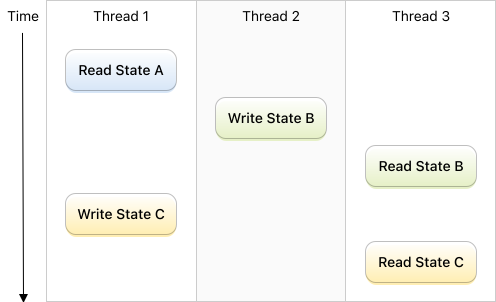
**Database queues** serialize all database accesses, reads, and writes. There is never more than one thread that uses the database. In the image below, we see how three threads can see the database as time passes:
|
|
|
|
|
|
|
|
|
|
|
|
|
|
|

|
|
|
|
|
|
|
|
|
|
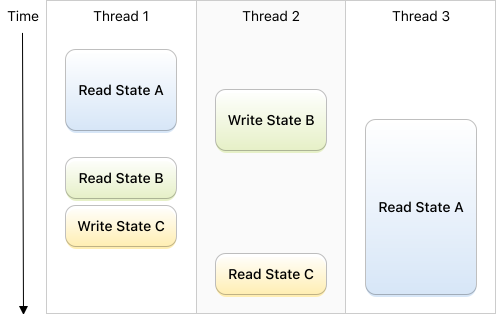
**Database pools** also serialize all writes. But they allow concurrent reads and writes, and isolate reads so that they don't see changes performed by other threads. This gives a very different picture:
|
|
|
|
|
|
|
|
|
|
|
|
|
|
|

|
|
|
|
|
|
|
|
|
|
See how, with database pools, two reads can see different database states at the same time.
|
|
|
|
|
|
|
|
|
@@ -7303,7 +7304,7 @@ try snapshot2.read { db in
|
|
|
|
|
|
|
|
|
|
### DatabaseWriter and DatabaseReader Protocols
|
|
|
|
|
|
|
|
|
|
Both DatabaseQueue and DatabasePool adopt the [DatabaseReader](http://groue.github.io/GRDB.swift/docs/3.2/Protocols/DatabaseReader.html) and [DatabaseWriter](http://groue.github.io/GRDB.swift/docs/3.2/Protocols/DatabaseWriter.html) protocols. DatabaseSnapshot adopts DatabaseReader only.
|
|
|
|
|
Both DatabaseQueue and DatabasePool adopt the [DatabaseReader](http://groue.github.io/GRDB.swift/docs/3.3/Protocols/DatabaseReader.html) and [DatabaseWriter](http://groue.github.io/GRDB.swift/docs/3.3/Protocols/DatabaseWriter.html) protocols. DatabaseSnapshot adopts DatabaseReader only.
|
|
|
|
|
|
|
|
|
|
These protocols provide a unified API that lets you write safe concurrent code that targets all three concurrency modes.
|
|
|
|
|
|
|
|
|
@@ -7397,7 +7398,7 @@ If you absolutely need multiple connections, then:
|
|
|
|
|
- Read about [isolation in SQLite](https://www.sqlite.org/isolation.html)
|
|
|
|
|
- Learn about [locks and transactions](https://www.sqlite.org/lang_transaction.html)
|
|
|
|
|
- Become a master of the [WAL mode](https://www.sqlite.org/wal.html)
|
|
|
|
|
- Prepare to setup a [busy handler](https://www.sqlite.org/c3ref/busy_handler.html) with [Configuration.busyMode](http://groue.github.io/GRDB.swift/docs/3.2/Structs/Configuration.html)
|
|
|
|
|
- Prepare to setup a [busy handler](https://www.sqlite.org/c3ref/busy_handler.html) with [Configuration.busyMode](http://groue.github.io/GRDB.swift/docs/3.3/Structs/Configuration.html)
|
|
|
|
|
- [Ask questions](https://github.com/groue/GRDB.swift/issues)
|
|
|
|
|
|
|
|
|
|
|
|
|
|
|
 Gwendal Roué committed